JEANNEAU UK DEALER OF THE YEAR 2020, 2022 & 2024. HIGHFIELD DEALER OF THE YEAR 2024 & 2026.

Where to Buy Boats for Sale in the UK: A Practical Guide for Used and New Buyers

Where to Buy Boats for Sale in the UK: A Practical Guide for Used and New Buyers

Buying a boat should feel like the start of something good. Early mornings on flat water, a first night on the hook, the quiet after the engine cuts. Too often it starts with forty open browser tabs and a nagging question: where do you actually buy one of these things?

The UK market is bigger and more varied than most people expect. Boats are sold through online marketplaces, private sales, brokers, auction listings and dealers based in marinas and boatyards. Each route has its own strengths, and its own traps. This guide walks through all of them, so you can spend less time scrolling and more time on the water.

Where to buy boats for sale in the UK

There are four main routes. Most buyers end up using a mix.

Online boat marketplaces.

These are the first stop for most people, and for good reason. Sites such as BoatsAndOutboards.co.uk, Apollo Duck, and Rightboat pull thousands of listings into one place, with filters for price, length, engine type and location. They are brilliant for getting a feel for the market and for understanding what a fair price looks like. The catch is that quality varies wildly. A listing is only as honest as the person who wrote it.

Private sales.

Buying direct from an owner can be good value, and you often get the full history of the boat from the person who knows it best. It also puts the legwork on you: checking ownership, verifying paperwork, arranging a survey and sorting the sea trial. There is no safety net if something goes wrong after the handshake.

Brokers.

A broker sells on behalf of an owner and handles the viewing, negotiation and paperwork. A good boat broker knows their stock and will tell you plainly what a boat needs. Fees are built into the sale, so factor that into your budget.

Dealers and boatyards.

A dealer with a physical presence gives you something no website can: the boat in front of you. You can step aboard, open the lockers, look at the engine bay and ask questions of people who work on boats every day. Buying from an established boat dealer also means there is someone to come back to if you have a question six months later.

Where to shop for boats for sale in UK marinas

Online listings are a starting point. Walking a pontoon is where decisions actually get made.

Marinas and boatyards concentrate a lot of stock in one place, and seeing boats afloat tells you things photographs cannot. How does she sit in the water? Is the deck tidy, or does it tell a story of neglect? Do the canvas and upholstery look cared for? Condition shows quickly when you are standing on it.

A few tips for a productive marina visit:

  • Book ahead. Boats on the water need someone to open them up and, ideally, run the engines for you.
  • Bring a list. Write down your must-haves before you go, so a shiny deck saloon does not talk you out of the day-boat you actually wanted.
  • Ask about history. Service records, previous owners, time on the water and where she has been kept all matter.
  • See more than one. Comparing two or three similar boats back to back is the fastest education you will get.

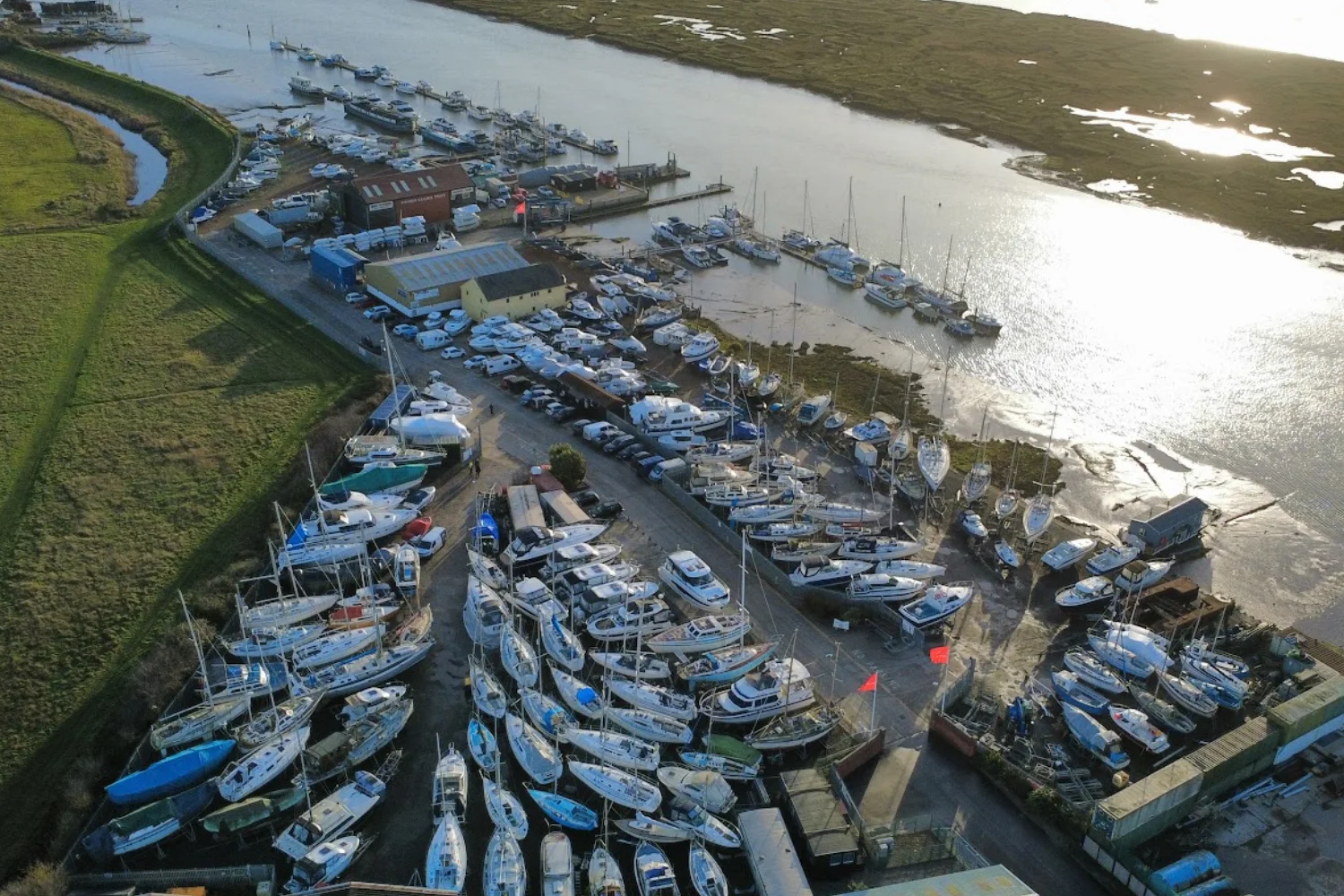
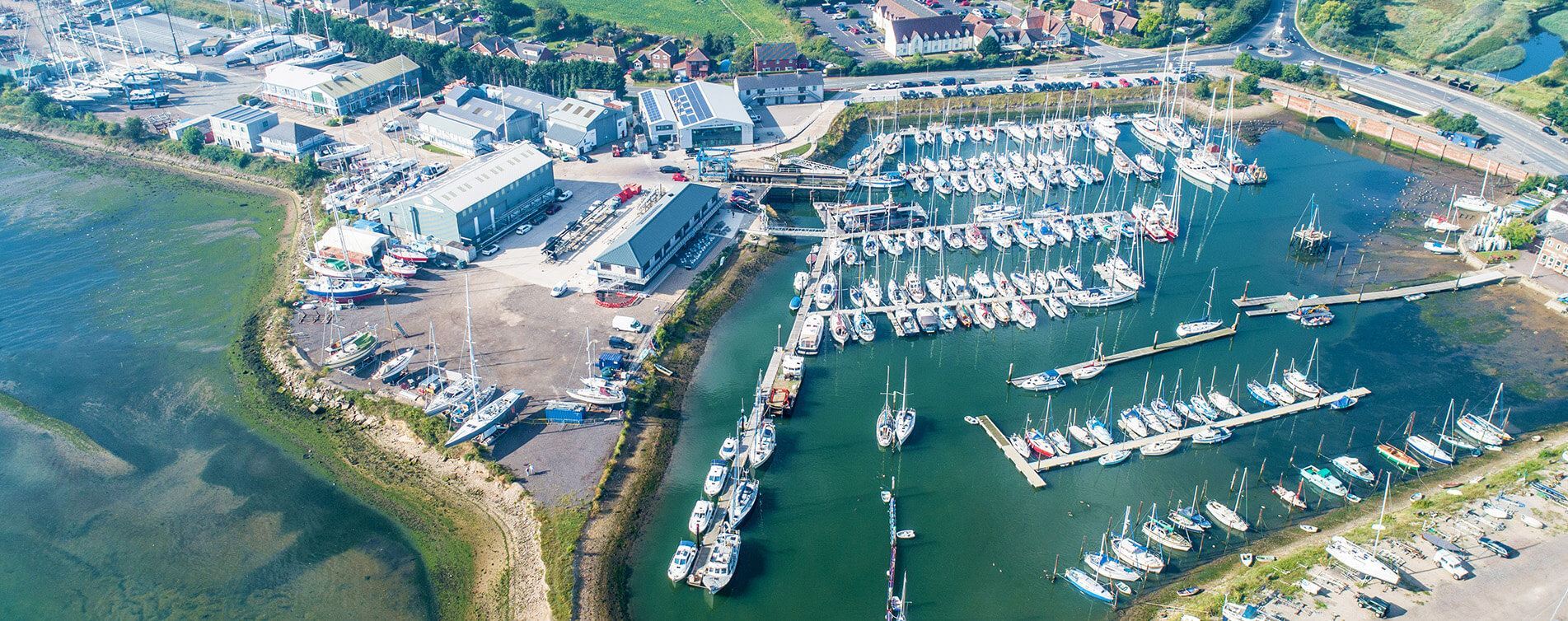
If you are based in the south east, Morgan Marine has a Brightlingsea, Colchester site with brokerage stock available to view where you can see boats in person and talk them through with someone who knows them.

Where to search for inspected used boats online in the UK

A used boat can be a smart buy. It can also be an expensive lesson. The difference is usually inspection.

When you search online, look for listings that make condition easy to verify. That means:

  • Recent survey or inspection reports. A current marine survey from a qualified surveyor (look for YDSA or IIMS accreditation) is a strong sign the seller has nothing to hide.
  • Dealer or broker inspection. Reputable dealers check the boats they list, from engine hours and hull condition to electronics and safety gear. Ask what has been checked and whether they will share it.
  • Clear, honest photography. Engine bay, bilge, anchor locker, underside of the cockpit hatches. If a listing only shows the glamorous angles, ask for the rest.
  • Documented history. Service invoices, previous survey reports and ownership paperwork should be available on request.

Whatever you buy, commission your own independent survey before you commit. It costs a fraction of the purchase price and can save you from a very large bill. A good surveyor will also give you a list of jobs to negotiate on or plan for.

A boat that has been inspected, serviced and presented properly by a dealer is not just easier to trust. It is easier to enjoy, because you step aboard without a long list of unknowns.

Cheap used boats for sale in an Essex marina: what to look for

Everyone likes a bargain. But with boats, the cheapest asking price is rarely the cheapest boat to own.

Essex has plenty of used boats around its marinas and creeks, from compact trailable cruisers to larger motor yachts. The east coast’s tidal waters are rewarding to explore, and that makes it a busy area for both buyers and sellers. Instead of chasing the lowest number, chase the best value:

  • Check the running costs. Berth fees, insurance, servicing and antifouling add up. A cheaper boat with an older engine can cost more over three years than a newer one.
  • Look at the engine hours and service history. Low price plus patchy records is a warning sign, not a deal.
  • Think about where she has lived. Tidal creeks, saltwater moorings and winter storage all affect wear. Ask how and where the boat has been kept.
  • Budget for the first season. Even a good used boat will want some attention. Setting aside a sensible sum for the first few months keeps the excitement intact.

A fairly priced, well-maintained boat from a trusted marina dealer will usually beat a rock-bottom private listing once you count everything up.

Where to find buyers for your boat fast

If you are on the other side of the deal, the same principles apply in reverse. Speed comes from presentation, pricing and reach.

Get the price right. Overpriced boats sit. Check what comparable boats have actually sold for, not just what they are listed at. Be realistic about age, hours and condition.

Present her properly. A clean, tidy, de-cluttered boat sells faster. Fix the small jobs, polish the topsides and make sure the engine starts first time. Buyers notice.

Take good photographs. Bright, sharp and comprehensive. Cover the helm, galley, cabins, engine bay and exterior from several angles. Poor photos are the quickest way to lose a viewing.

Write an honest listing. Specifications, engine hours, recent work, equipment included. Detail builds trust and filters out time-wasters.

Widen your reach. A single advert reaches a limited audience. Brokerage with an established dealer means your boat is listed across multiple platforms and promoted to a ready database of buyers, while someone else handles enquiries, viewings and paperwork.

If speed matters, talk to a boat broker. Morgan Marine’s brokerage team can value your boat and advise on the quickest route to a sale.

Choosing the right route for you

There is no single best place to buy a boat in the UK. There is only the best place for you.

  • If you want to browse and learn the market, start with online marketplaces.
  • If you want the lowest price and are comfortable doing the legwork, consider a private sale, with a survey.
  • If you want a smoother process and some accountability, use a broker or dealer.
  • If you want to see, touch and compare, spend a day at a marina.

Most buyers do all four, in that order.

Where is the best place to buy a boat in the UK?

Morgan Marine! But seriously…there is no single answer. Online marketplaces are best for research, while established dealers and brokers offer inspected boats, paperwork support and after-sales help.

How do I know a used boat has been properly inspected?

Ask for a recent survey report or a dealer’s inspection summary, and always commission an independent survey from a YDSA or IIMS accredited surveyor before buying.

Are cheap used boats worth buying?

Sometimes, but price alone is misleading. Compare service history, engine hours, berth costs and likely first-year work before deciding.

Can I view boats in a marina before buying?

Yes, and you should. Seeing a boat afloat reveals condition and handling that photos cannot. Contact the dealer in advance to arrange a viewing.

What is the fastest way to sell my boat?

Price it realistically, present it well, use clear photography and list it with a broker who can reach a wider pool of buyers.

Ready to start looking? Browse Morgan Marine’s boats for sale, or get in touch to arrange a viewing.
back to posts
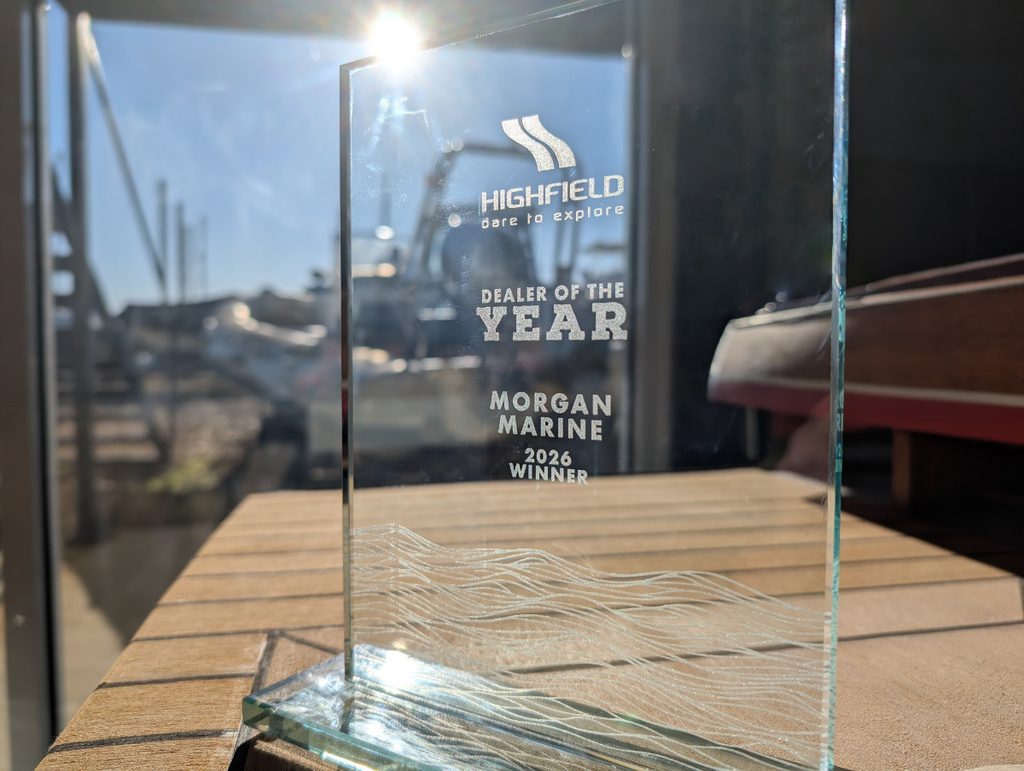
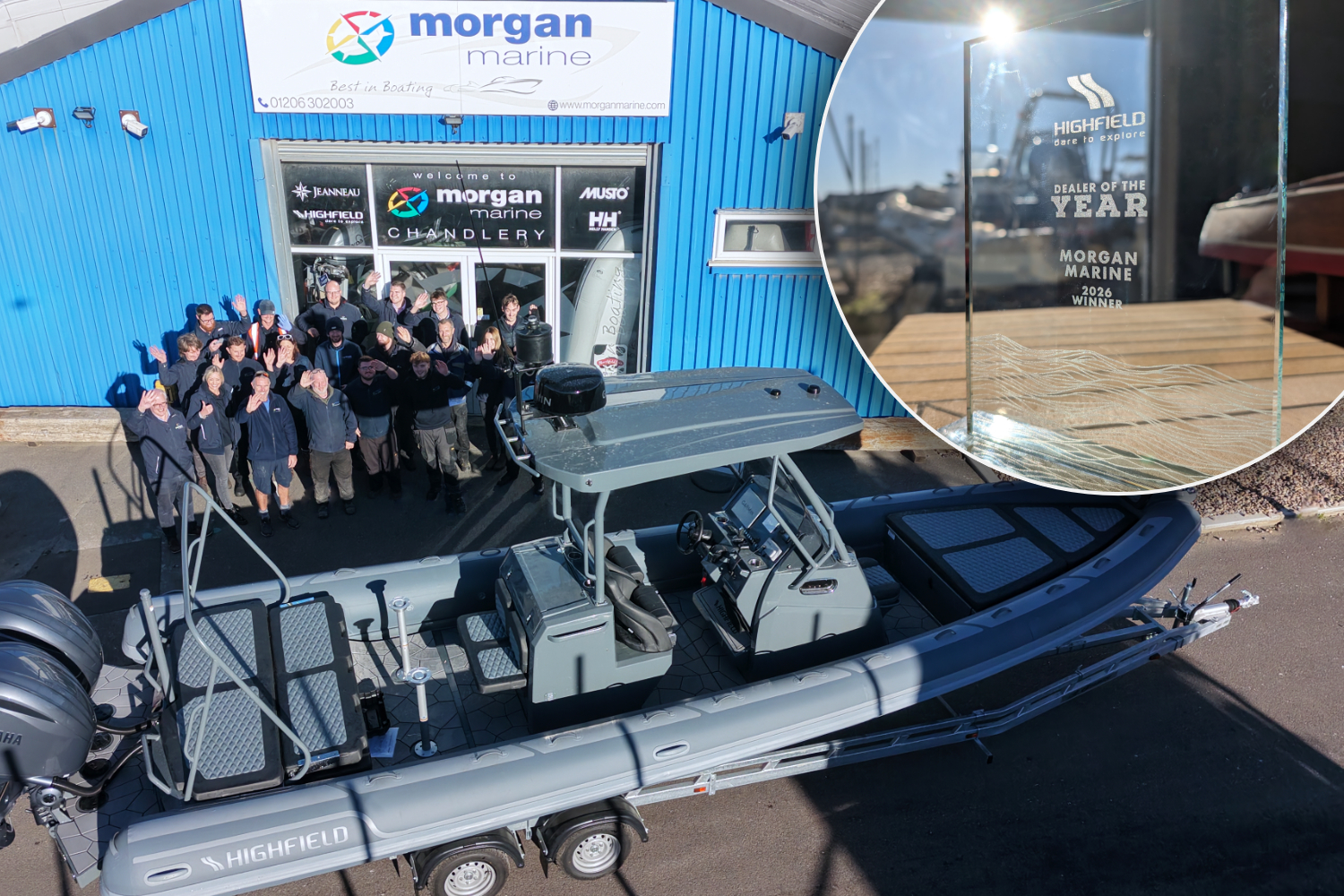
Morgan Marine named Highfield Dealer of the Year 2026

Morgan Marine named Highfield Dealer of the Year 2026

We have some news we’re rather pleased about. Morgan Marine has been named Highfield Dealer of the Year 2026!

Awards are nice to have, but this one says something we care about more than the trophy. It reflects the work our teams put in every day, from the first conversation in the showroom to the handover on the water, and the aftercare that follows. Boats are a big decision. Getting that part right matters more than anything we could put on a shelf.

A thank you, and a nod to the boats

Firstly, thank you to everyone who has bought a boat, booked a service or simply popped in for a chat with us over the past year. You’re the reason this happened. Thanks also to the team at Highfield for building boats that make our job easier. It helps when the product speaks for itself.

And what a line-up it is.

The Highfield range, in brief

  • Sport: Sharp, quick and built for people who like their days on the water to have a bit of pace.
  • Patrol: Practical, tough and endlessly adaptable. The Patrol 540 Coaster remains one of the most popular boats we sell, and it’s easy to see why.
  • Classic: Proven designs for those who know exactly what a good RIB should feel like.
  • Ultralite: Light, nimble and easy to handle, whether on the trailer or off it.
  • ADV: The newest arrival and one to watch. The ADV 9 has had plenty of attention since it joined the line-up, and it deserves it.

If you’d like to see any of them in person, we’d be glad to arrange a viewing. Boats always make more sense once you’re standing next to them.
What’s next

We’re not about to rest on our laurels. There’s still plenty to do, and we intend to keep earning the title rather than simply holding it. Come and see us, take a look at the range, and let’s find the right boat for you.

Browse the Highfield range | Get in touch

back to posts
Boat Condensation: How to Keep Your Boat Dry and Warm This Winter

Boat Condensation: How to Keep Your Boat Dry and Warm This Winter

Wake up on a cold morning to streaming windows, clammy cushions and a faint smell of wet dog (even if you do not own a dog). That is condensation, and almost every boat owner meets it sooner or later.

It is more than a nuisance. Left alone, condensation feeds mould, lifts finishes, upsets electrics and, over a few winters, starts the slow work of rot in a wooden interior. The good news is that it is manageable. You need a plan built on three things: moving air, steady warmth and removing moisture before it settles.

Morgan Marine Chandlery

This guide covers all three, plus the cleaning, kit and clothing that make a winter afloat comfortable rather than merely survivable. Where a piece of kit genuinely earns its place, we say so and point you to it in our chandlery.

Why boats get so damp in winter

Warm air holds more water vapour than cold air. When warm, moist air meets a cold surface – a window, a metal fitting, a sink, a hull – the vapour turns back into liquid. A boat is close to the perfect setting for it: plenty of cold surfaces, very little air and a hull sitting against near-freezing water.

Most of the moisture comes from you. Breathing, cooking, showering, boiling the kettle and hanging wet clothing to dry all add vapour to the cabin air. Warmth alone is not the answer, because warm air carries more moisture. Any warmth trapped aboard brings dampness with it unless the air can move, and that is true on a heated boat and an unheated one.

The damage builds quietly:

  • Electrics and connections corrode and start to misbehave
  • Finishes and adhesives lift and fail
  • Mould and mildew take hold, bringing that musty smell with them
  • Wooden interiors begin to rot, which is the expensive one

One check before anything else. Make sure the moisture is not coming from a leak. Tired hatch seals, window seals and deck fittings can all pass for condensation. Condensation can be managed. A leak has to be fixed.

Start with ventilation

It is the cheapest fix and often the most effective. Leaving a heated boat open to the elements all winter is impractical, and expensive, and rain has a habit of finding the one gap you forgot. The answer is targeted airflow.

  • Ventilate when you make moisture. Crack a hatch while cooking or showering so the vapour escapes instead of settling on the nearest cold surface.
  • Keep air moving inside. Open locker doors, stand cushions on their edges and lift bunk boards and floorboards where you can. Still air always finds the coldest corner.
  • Add passive ventilation. A solar vent runs on the sun alone, moves a substantial amount of air and, depending on where it is fitted, avoids heat build-up in the space it serves. It keeps working while you are at home or at work.
  • Wipe down each morning. A squeegee or microfibre cloth along the windows takes two minutes and removes a surprising amount of water before it drips into places you cannot see.
Morgan Marine Chandlery

Take moisture out of the cabin

Fabrics, cushions, books, rugs and spare clothing soak up moisture, so the less you leave aboard, the less damp there is to hold. Take home anything you do not use regularly. If that is not practical, vacuum storage bags are a neat answer: seal the items inside, draw out the air and the moisture goes with it, leaving everything dry and mould-free until you need it.

Keep daily essentials such as toilet roll, cloths and regularly worn clothes bagged, and take out only what you need. Fewer exposed, absorbent items means fewer places for damp to settle.

Keep mould in check

Make a daily wipe-down of the galley, heads and saloon table part of your routine. It matters for comfort and for health, as damp and mould can aggravate breathing problems.

  • White vinegar is a good first move. Spray it on neat, leave it for a couple of hours, then scrub with a brush.
  • Hydrogen peroxide, bicarbonate of soda and tea tree oil can each help on hard surfaces and are worth keeping in the cupboard.
  • Diluted bleach works on hard surfaces but is harsh on stainless steel, fabrics and some finishes, so use it sparingly and rinse well.
  • A marine mould and mildew cleaner is the ready-made option, formulated for boats.

One rule worth remembering: never mix bleach with vinegar or any other cleaner, as the combination releases toxic gas. And dry the area once you have finished, because mould cannot return without moisture.

Heating without the headaches

Ventilation fights condensation. Heat fights frost, and on a boat you need both. Water tanks, hoses and batteries will misbehave once they freeze, so some form of onboard heating is not a luxury. The hull sits in near-freezing water, which means temperatures drop fast once the warmth goes.

Fixed marine heaters. Diesel and other fuel-fired systems are the premium choice, and modern units are efficient. They must vent to the outside, older systems can give off fumes, and they should always be fitted by a qualified installer. Respected names include Eberspächer, Ecomat and Propex.

Electric heaters. Cheaper options are plentiful. Oil-filled radiators have come a long way. They are sealed, so there is no leakage risk, and many come with thermostats and timers, so you heat the boat when it matters rather than all day. They need shore power and a stable spot where they cannot topple in a swell or a wash.

Infra-red panels. A newer option. These lightweight carbon crystal panels come curved or flat and draw 200 watts at most. They warm surfaces and people directly rather than only the air, which helps with the cold surfaces that cause the problem in the first place.

Gas heaters. Free-standing gas heaters release a lot of moisture in their exhaust and have an open flame. Avoid them unless you have no alternative.

Whatever you choose, check the IP rating. IP44 or above is what you want anywhere water could reach the heater, and anything lower should sit well clear of splash zones.

Carbon monoxide: not optional. Heaters, cookers and engines that burn fuel produce carbon monoxide, which you cannot see or smell. Fit a carbon monoxide alarm certified to BS EN 50291, put it where the maker advises and test it regularly. On boats covered by the Boat Safety Scheme, at least one alarm has been mandatory since April 2019, and we would recommend one on any boat with sleeping accommodation.

Have a backup. If your main heater fails, the cabin will cool quickly, and it will happen at 2am on the coldest night of the year rather than on a quiet afternoon with the shops open. A spare or emergency heater means you are never waiting on an engineer or a chandlery opening time.

If the boat is laid up rather than lived on, the aim shifts from comfort to protection. Drain down water systems where you can, check the engine has the right antifreeze and consider a low-wattage frost heater on a thermostat. Our yards can help with winter storage and winterisation.

Choosing a dehumidifier

Dehumidifiers are brilliant at pulling moisture out of the air, but the right type depends on how warm your boat is and whether you have power.

  • Compressor dehumidifiers cool a coil inside the unit. Warm, damp air condenses on it, the water drips into a reservoir and drier air is pushed back out. They are cheap to buy and run, and need little maintenance beyond emptying the reservoir. They work best in a warm boat and struggle in the cold.
  • Desiccant dehumidifiers use a drying material to draw moisture from the air and cope far better in low temperatures, which makes them a sensible choice for an unheated boat. They typically use more power than a compressor model.
  • Passive moisture absorbers are tubs or bags of crystals that draw water from the air. They need no power, so they suit lockers, cupboards and boats without shore power. Replace them regularly.

Many owners end up with a mix: a powered unit in the saloon and absorbers tucked into lockers. You can browse dehumidifiers and moisture absorbers in the chandlery.

Morgan Marine Chandlery - Surviving Winter

Dress for it

There is an old Scandinavian saying: there is no such thing as bad weather, only bad clothes. It holds true for anyone who goes afloat or outdoors in winter. A sensible sailor dresses in layers, with a warm base, an insulating middle and a windproof, waterproof outer, then protects the extremities with gloves, a hat and good socks.

In our chandlery we stock a good range of extreme weather clothing, including windproof sweaters, thermal underwear, hats, gloves and boots.

Keep your clothes dry too. Wet kit hung in a closed cabin undoes all the good work above. Dry it ashore if you can, and if that means finding a local laundrette, it is a small price for a dry bunk.

Winter boat checklist

  • Hatch, window and deck fitting seals checked for leaks
  • Ventilating when cooking and showering
  • Air circulating: cushions on edge, locker doors open
  • Spare fabrics removed or vacuum-bagged
  • Windows and mould-prone areas wiped daily
  • Heating sorted, plus a backup
  • Carbon monoxide alarm fitted and tested
  • Dehumidifier or moisture absorbers in place
  • Warm, dry kit for the crew
How do I stop condensation on a boat in winter?

Tackle it from three sides. Ventilate when you produce moisture and keep air moving, keep surfaces warm with steady heat, and remove moisture with a dehumidifier or absorbers. Condensation forms when warm, moist air meets cold surfaces, so cutting the moisture or warming the surfaces both help.

Does heating a boat reduce condensation?

Partly. Warmer surfaces attract less condensation, but warm air also holds more moisture, so heat without ventilation or a dehumidifier tends to move the problem rather than solve it. Pair heating with airflow.

What is the best dehumidifier for a boat in winter?

It depends on temperature and power. Compressor models suit a heated boat, desiccant models suit an unheated one, and passive absorbers suit lockers and boats without shore power.

How do I get rid of mould on a boat?

Control the moisture first, then clean. Scrub visible mould from hard surfaces with white vinegar or a marine cleaner and dry the area thoroughly. If mould keeps returning to the same spot, look for a leak or a persistently cold surface behind it.

Do I need a carbon monoxide alarm on my boat?

We would recommend one on any boat with sleeping accommodation and a fuel-burning heater, cooker or engine. On boats within the Boat Safety Scheme, at least one has been mandatory since April 2019. Choose an alarm certified to BS EN 50291 and test it regularly.

Need a hand choosing?

Pop in to the chandlery or get in touch. The team can talk you through ventilation, heating and dehumidifiers to suit your boat, your berth and your budget.

back to posts
Nimbus Sport Coupe 35: a first look at the boat that does both

Nimbus Sport Coupe 35: a first look at the boat that does both

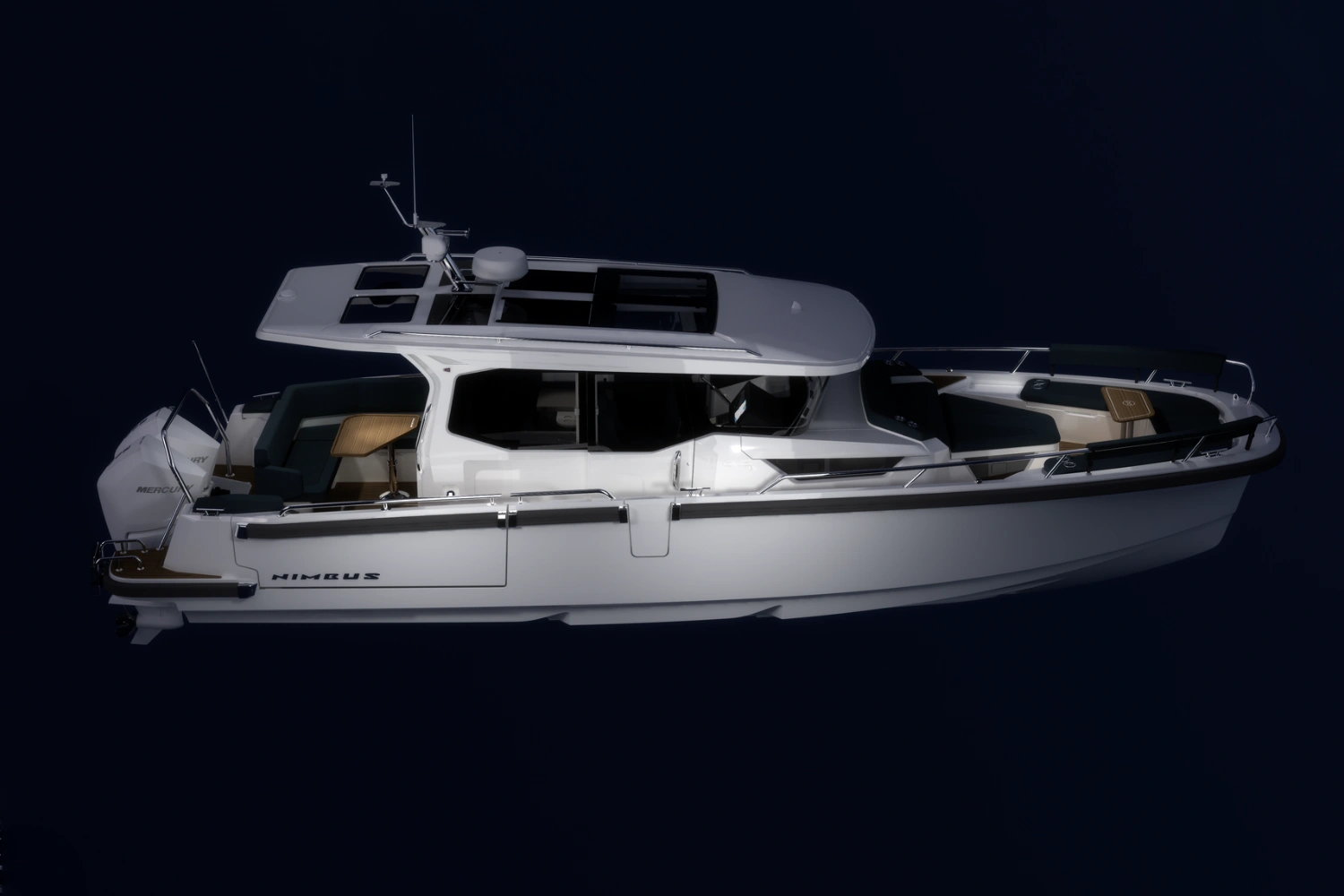
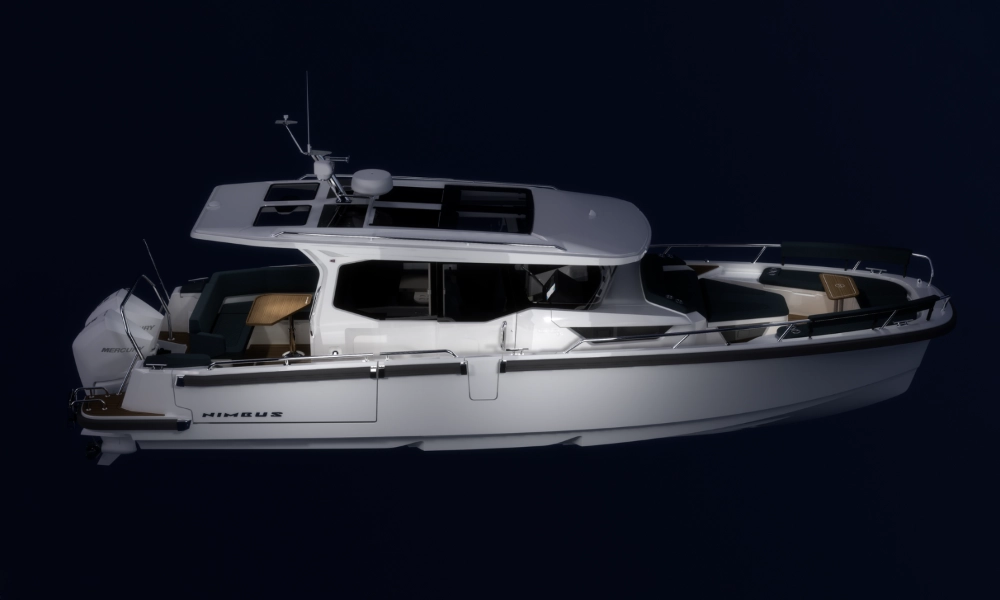
Nimbus has just unveiled the Sport Coupe 35, and Morgan Marine has one on the way to see for yourselves.

For decades, the Nimbus Coupe has been the boat you live on. Comfortable, sheltered, built for long seasons afloat. The Nimbus SC35 takes that formula and puts it on a Sport Cruiser hull. The result drives like the sporty one and lives like the comfortable one.

It shares its hull with the Sport Tender 35, which made its debut at Cannes in September 2026 and has since been nominated for European Powerboat of the Year 2027 in the 10 to 14 metre class.

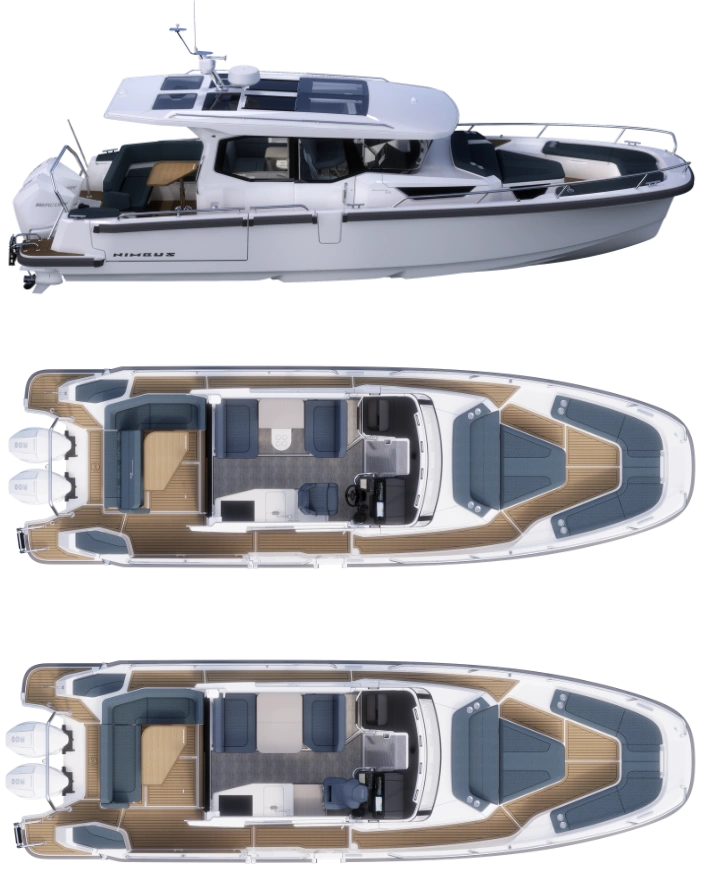
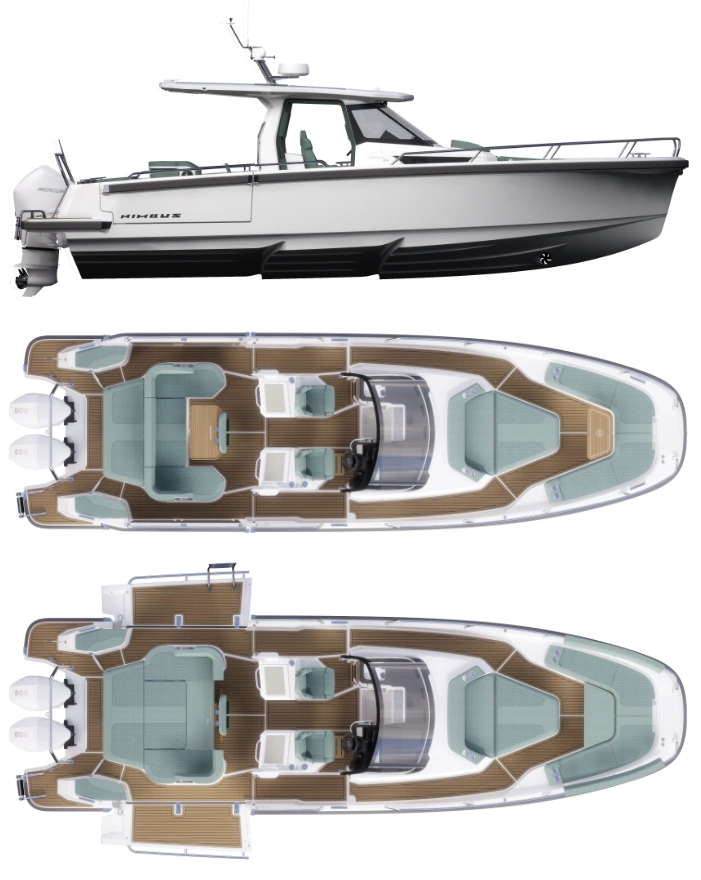
Nimbus Sport Coupe Plan Views

A hull built for rough days

The air-lubricated, twin-stepped hull has a sharp bow and a deeper V aft. It’s vacuum-infused in one piece around a Divinycell core, which keeps it stiff, light and well insulated. Nimbus has carried the same thinking into the saloon, galley and cabin sides, built from as few parts as possible.

On the water, that means a solid, quiet boat with no creaks or squeaks, a low planing threshold and spray kept down. Stiffness does the work here, not weight, so the ride stays composed in a chop even when you hold your speed. For reference, the Sport Tender 35 reached 48.5 knots on twin Mercury Verado V8 300 in sea trials.

The Sidewalk, and more room inside

The Nimbus Sport Coupe 35 uses the Sidewalk layout, the asymmetric deck design behind the 365 Coupe‘s European Powerboat of the Year win in 2012. The starboard side deck is extra wide from aft deck to bow, so moving around the boat is easy and safe. To port, the deck is raised, which frees up a bigger saloon and generous headroom on the way down to the mid cabin.

A solid roof replaces canvas, keeping the saloon dry and quiet. Glass hatches slide open over the saloon, and fixed glass panels above the aft deck let the light in where you’ll spend your afternoons.

Built for the person at the helm

Sit on the starboard side and you’ll find a sliding side door opening straight onto the side deck, with an aluminium frame, an integrated lock and generous seals. Below it, a small gate in the hull steps you straight onto the quay. Step out, take the lines, step back in. Nothing to climb over.

Mercury Joystick Piloting and an integrated bow thruster make tight berths and busy harbours far less stressful, and one person can bring the boat alongside alone. The helm is clean and uncluttered, with wipers on paddles at the wheel as standard, a matte anthracite dash that keeps reflections out of the windscreen, and either a single 16-inch or twin 12-inch displays running Nimbus’s own interface.

A saloon that changes with the day

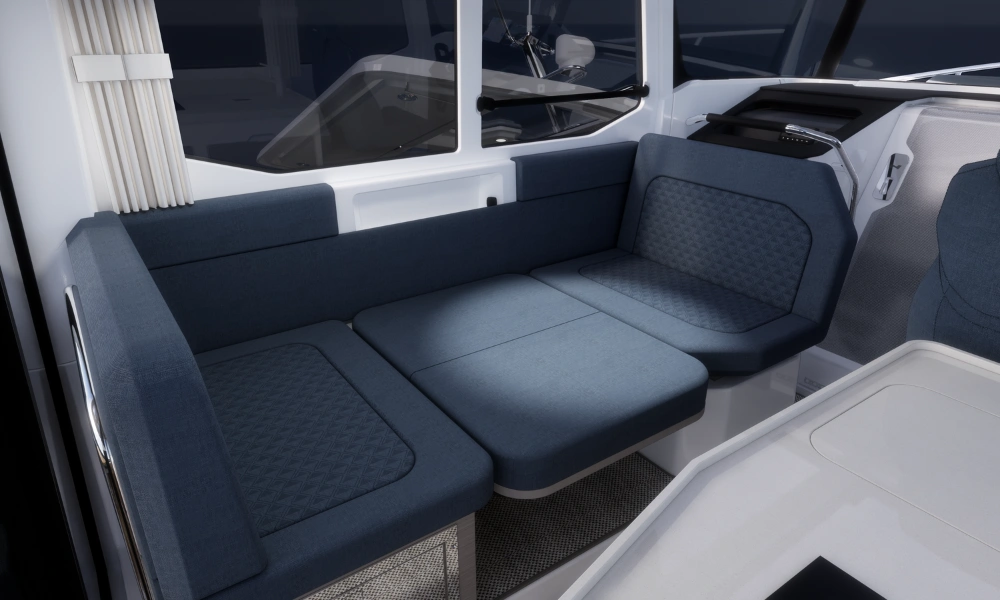
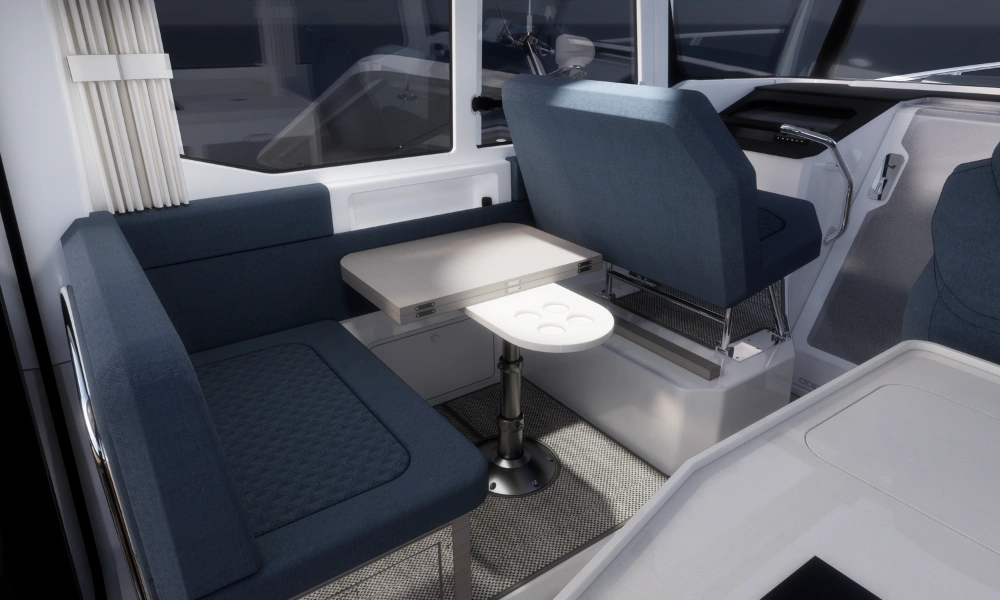
A dinette replaces the usual U-sofa, and the table is big enough for a proper dinner. Underway, the front sofa flips to face forward. By evening, lower the table and the dinette becomes a lounge, ideal for a film on the optional fold-down screen of up to 40 inches. It makes up into a bed if you’re staying aboard.

The galley sits in the saloon, so the cook stays part of the conversation. You get a gas or electric hob, a double sink and handle-free fronts with hidden drawers.

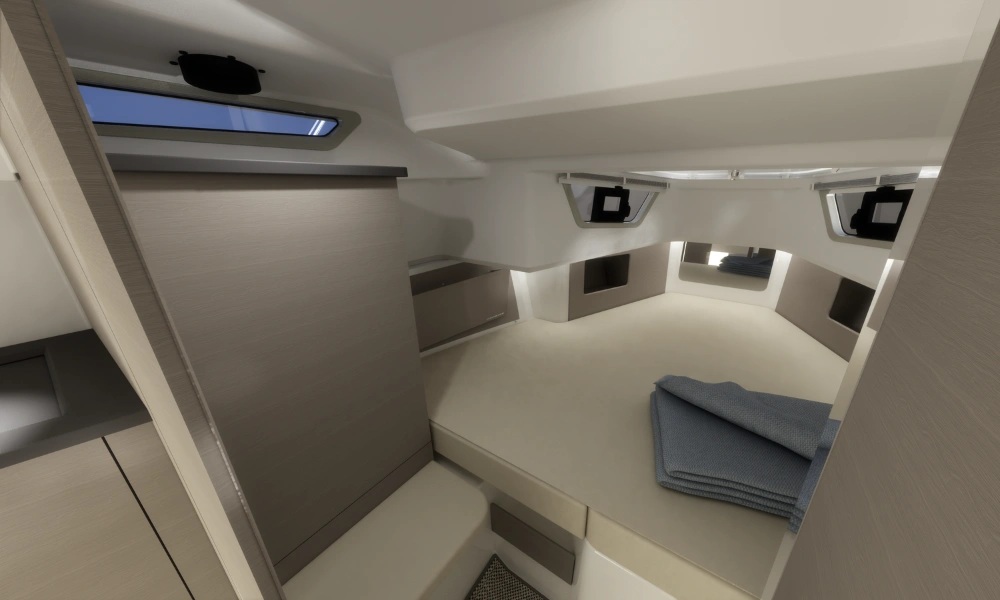
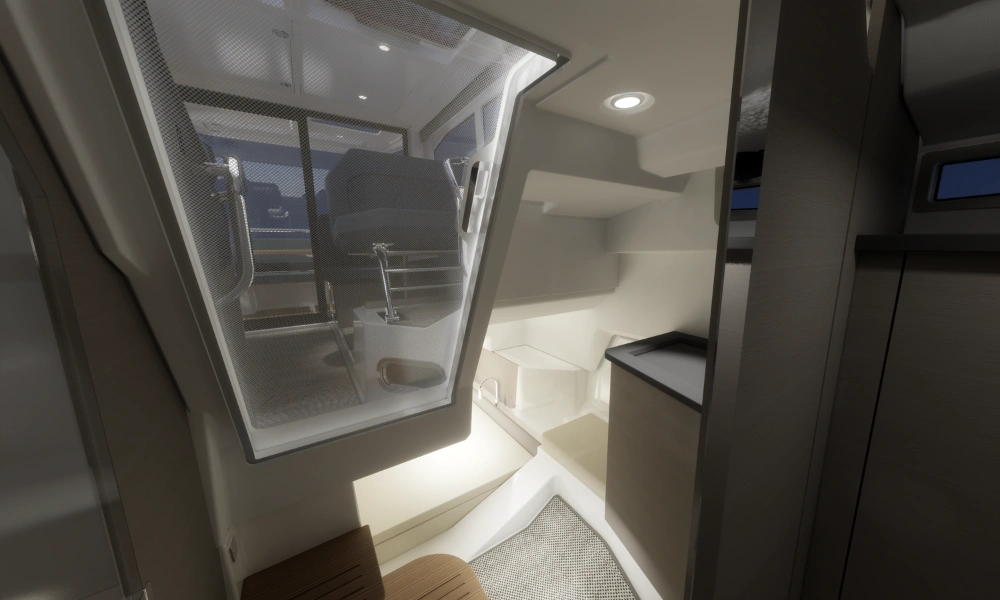
Below deck there’s a fore cabin with a wide double berth, a mid cabin, a head with a shower and wardrobes as standard.

Nimbus Sport Coupe Foredeck

Outdoor space

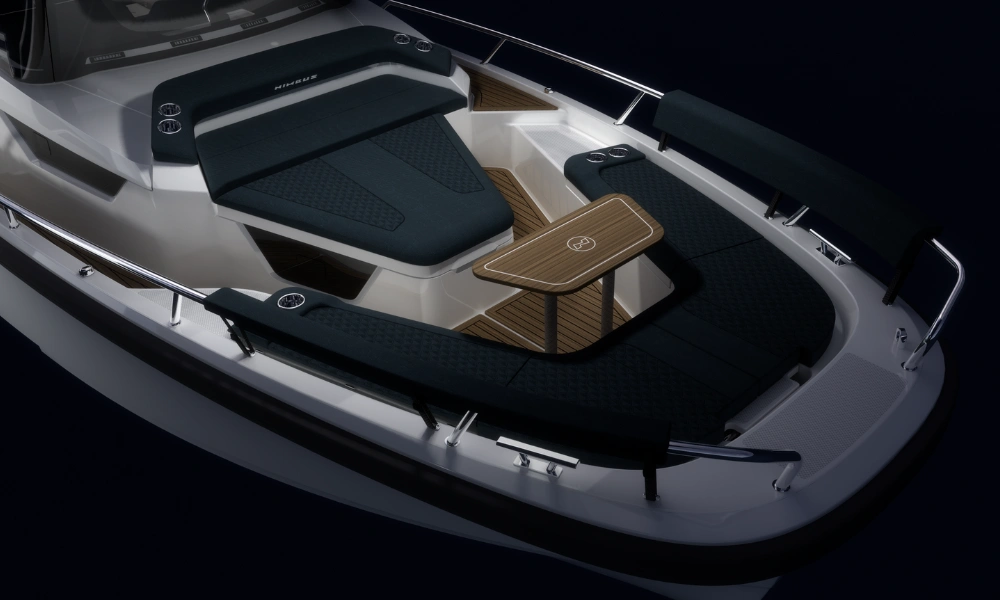
The foredeck works hard. Without cushions, it’s a secure, non-slip working deck. With sun beds, it’s the biggest sunbathing spot aboard. Add the table and eight people can sit down to lunch with the view ahead.

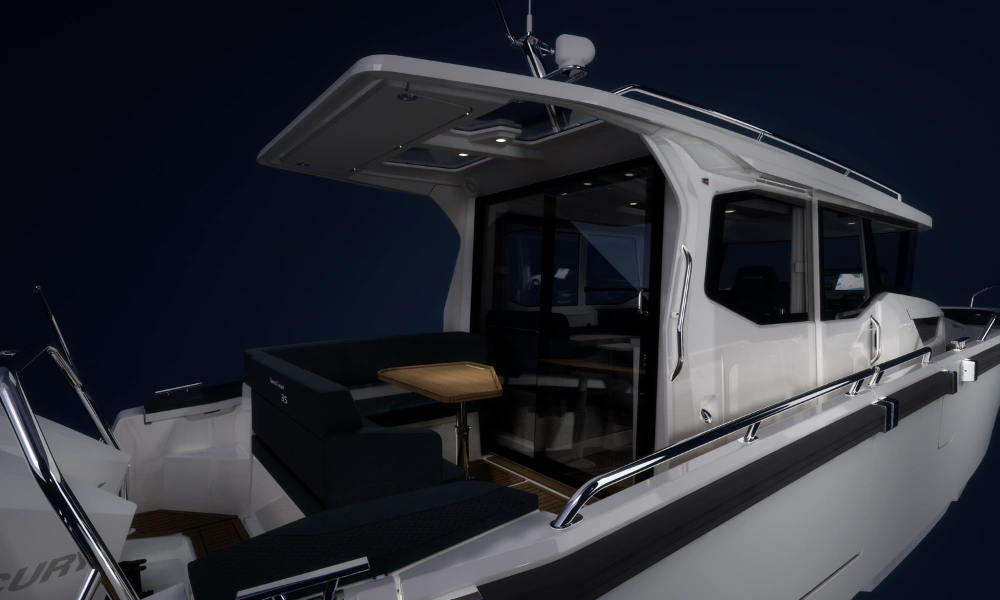
On the aft deck, an L-shaped sofa seats five or six around the table and reconfigures into a sun bed. A side balcony folds down to the water at anchor. Anglers get a fold-up seat, built-in fillet surfaces and an optional fishing rack for hip support. The canopy was designed in from the start: side panels pull out in moments and the aft panel disappears into the roof. A sliding glass door to the saloon is standard, with an electrically lowered window and folding glass door available to open the two spaces into one.

The forward-raked windscreen, a first for a Coupe since the Nimbus 495, gives it a bolder, sportier profile.

Power

Mercury outboards are the headline: a single V10 or twin V8 300, with the twin V8 suiting this hull particularly well. For an inboard look and a larger bathing platform, there’s also a Volvo Penta D6.

See it for yourself

The Sport Coupe 35 makes its world premiere at boot Düsseldorf, 23 to 31 January 2027, with full specifications to follow. Our own boat is on order, and we expect to have it on display around February 2027. Contact Morgan Marine if you’d like to be among the first to step aboard.

back to posts
Nominated: Nimbus Sport Tender 35 for European Powerboat of the Year 2027

Nominated: Nimbus Sport Tender 35 for European Powerboat of the Year 2027

Nominated in the 10 to 14-metre class, the Nimbus ST35 finds itself in the running for European Powerboat of the Year 2027 alongside the Axopar 38 Sun Top, Loxo 40, Santasevera 42 HT, and the Yamarin Aura Cabin.

Motorboats between 10 and 14 metres in length are cruisers that are ideal for holidays and day trips on inland and coastal waters.

Nimbus Sport Tender 35: the first of a new breed

The Sport Tender 35 kicks off Nimbus’s new Sport Cruiser 35 range, and it’s a boat built around one simple question: what makes a great day afloat? At 10.80 metres, every inch has been shaped with that in mind, not with the hull as the starting point but with the people who’ll be standing on it.

Nimbus has followed this approach since 1968. Rather than designing a boat and fitting people around it, they start with the experience and work backwards. Chief designer Joacim Gustavsson puts it plainly: the day comes first, the boat second. The Sport Tender 35 is arguably the clearest expression of that philosophy the yard has produced.

Underneath, there’s a newly engineered twin-step hull built using vacuum-infused sandwich construction, giving a strong, light platform that rewards the engine choice above it. Buyers can specify a single Mercury V10, in 350 or 425 HP form, or twin Mercury V8s at 300 HP apiece. Cruising sits comfortably between 30 and 36 knots, with the twin-V8 setup capable of pushing on to around 45 knots flat out.

On deck, there’s room to properly relax: generous sun loungers, several distinct seating zones, fold-out balconies that widen the social space at anchor, and a wet bar for those who like their entertaining close to the helm.

Below, the cabin sleeps up to five: a double berth forward, two singles in the midships cabin, and a sofa berth suited to a child. A full bathroom with shower, toilet and washbasin rounds off the accommodation.

Specifications

  • Length: 10.80 m
  • Beam: 3.20 m
  • Weight: 4,524 kg
  • Engine: up to 2 x 221 kW (300 PS)

Join Morgan Marine, official Nimbus UK Dealer at the Southampton International Boat Show 2026 to see the Sport Tender 35 in person.

back to posts
Morgan Marine at the Southampton International Boat Show

Morgan Marine at the Southampton International Boat Show

The boating calendar’s big one is nearly here! The Southampton International Boat Show is just around the corner.

Britain’s biggest on-water boat show is back, and Morgan Marine will be right in the middle of it. Ten days to climb aboard, talk boats, and maybe find the one you’ll be taking home.

We’ll be standing in front of a serious fleet this year – from Scandinavian style icons to rugged RIBs – all ready for you to step aboard.

The Boats

Nimbus

Nimbus 495 Flybridge

Marking a very special occasion for Nimbus in the UK, you can expect to see the premiere of three brand new models.

Alongside the new, the ever popular 305 Coupe will also be ready and waiting for your viewing pleasure!

Book a Nimbus appointment

Jeanneau

Jeanneau Merry Fisher 895

Look forward to a wide range of popular Jeanneau models on display:

Book a Jeanneau appointment

Highfield

Highfield Sport 560

Expect a top tier range of Highfield RIBs spanning the Sport, Patrol, and Classic ranges – including the UK debut of the Highfield ADV 9.

Book a Highfield appointment


Why book an appointment with us

✔ Step aboard without waiting in a queue.
✔ Get proper time with a team who know these boats and can answer your questions.
✔ Secure early delivery slots.

Book your appointment here


More reasons to make a day of it

The Southampton Boat Show isn’t just boats for sale. Expect:

Attraction boats

  • Helen Mary R – 2026 ASTO/MCA Sail Training Vessel of the Year and is also celebrating her 40th anniversary.
  • RNLI Shannon Class Lifeboat
  • The brand new Clipper RX
  • Batboat.UK – an iconic 28ft Ocke Mannerfelt Bat Boat
  • Figaro Beneteau 3
  • and many more!

Try a Boat, The Lake, and the Dive Tank
Get active out on the water on a boat, a paddleboard, or just jump right in!

The Shipyard
Enjoy live music at the show every day, with headline acts and standout performances throughout the week, all included in the price of your ticket. Pick up some great food, grab a drink, and enjoy the festival atmosphere.
Who’s On

The Boating Stage
Enjoy a full schedule of expert-led talks and live demonstrations aimed at boosting your confidence and enhancing your skills on the water. Learn practical tips and techniques from record breakers, boating professionals, and sailing legends. Each brings their own unique story and wealth of experience, giving you insight and inspiration to make every moment on the water count.
View Schedule


When & where

📅 18 – 27 September 2026
📍 Mayflower Park, Southampton
🎟 Buy show tickets here

The Southampton Boat Show is the best place to see a full 2026 line-up in one go. Appointments are limited, so if you’re thinking about it, now’s the time to book.

Secure your appointment and we’ll see you in Southampton.

back to posts
Nimbus W9 Review: What to Know Before You Buy

Nimbus W9 Review: What to Know Before You Buy

There’s a particular kind of boat that gets talked about more than it gets explained. The Nimbus W9 is one of them. Ask around a marina and you’ll hear it described as “the Scandinavian one” or “that stepped-hull day boat everyone rates” – which is true enough, but doesn’t tell you much if you’re trying to decide whether it’s right for you.

So here’s the fuller picture: what the W9 actually is, how it drives, where it’s built, and roughly what it costs. Consider this the research stop before you get into specifics on a particular boat.

What is the Nimbus W9?

The W9 sits as the smaller of the W (weekender) boats in Nimbus’ WTC series alongside the T (tender) and C (commuter), sharing the same double-step hull across all three. It’s built as a day cruiser with genuine weekend capability – a cabin with a double berth for two, plus a cockpit sofa that converts for overnight guests, bringing total sleeping capacity to four.

At 9.35 metres, it sits in that useful middle ground: big enough for a proper day out with friends, small enough to handle and berth without a second thought. The hull is hand-laid fibreglass, cored throughout with Divinycell PVC foam, and the boat carries CE Class B Ocean certification, which is a more demanding standard than most boats in this size bracket bother with.

Where is the Nimbus W9 made?

The W9 is manufactured in Poland, as part of Nimbus’s wider manufacturing strategy. Nimbus itself is a Swedish brand with a long boatbuilding history, but some of the smaller Nimbus models – including the W9 – comes out of its Polish facility, built to the same specification and quality control as the rest of the range. Poland has become a serious hub for European boatbuilding generally, so this is less a cost-cutting move and more a reflection of where the manufacturing expertise now sits.

What’s it like to drive?

This is where the W9 tends to win people over. The stepped hull and sharp bow section were designed with a low centre of gravity and a deliberate length-to-width ratio, and the result is a boat that gets onto the plane quickly and stays settled once there. Top speed is in excess of 40 knots depending on engine choice, and owners consistently mention how dry the ride stays even when you’re pushing on – the spray control is genuinely a strength, not just brochure talk.

Engine options run from a Mercury Verado V8 at 250hp up to a V10 at 350hp. Single-engine setups keep maintenance simpler, which matters more than people expect once they’ve owned a boat for a season or two.

Layout and practicality

Nimbus’s Sidewalk design gives the W9 wide, clear walkways round the entire boat, which sounds like a small thing until you’re the one stepping past a sunbathing guest with a drink in hand. The cockpit is built for sitting and talking rather than just sitting and driving – an L-shaped sofa, a folding table, and a layout that shifts easily from “cruising” to “anchored for lunch.”

Below deck, the cabin is compact but sensibly finished, with headroom enough for changing and a double berth that’s wider than you’d guess from outside. It won’t replace a larger weekender for a family of four, and it isn’t trying to. It’s built for long days and the occasional night aboard, not extended cruising.

How much does a Nimbus W9 cost?

Pricing depends heavily on engine choice, hull colour, and the options list – T-top, upgraded electronics, upholstery and so on can move the final figure considerably. As a guide, new W9s typically start around £170,000 and move up from there with a heavier spec. Check out our Boat Builder for a better idea. Used examples vary with age, hours, and engine condition, so it’s worth checking a specific boat’s history rather than working from a rule of thumb.
For an accurate, current figure, see the Nimbus W9 range page for specification on the model, or browse the Nimbus W9s we have in stock if you’re ready to look at a specific boat.

See it in action

We’ve put together our own walkthrough of the W9, covering the parts of the boat that photos don’t do justice to – the walkway width, the cockpit conversion, and how the helm feels under way.

Is the Nimbus W9 right for you?

If your boating is mostly day trips with friends, the occasional overnight, and you’d rather not compromise on ride quality to get there, the W9 is worth a serious look. It’s not the boat for someone who wants four proper berths and a full galley for a week away – that’s a different conversation, and we’re happy to have it if that’s where you land.

Either way, the best next step is seeing one in person. Get in touch with the Morgan Marine team to arrange a viewing, or have a look at our current Nimbus W9 stock.

back to posts
First look: the new Nimbus Sport Tender 35

First look: the new Nimbus Sport Tender 35

A few details first, because as official Nimbus dealers we get asked early: yes, this is real, yes, it’s heading to Cannes in September 2026, and yes, the images you’re looking at are 3D renders rather than photography. Full specifications and on-water footage follow later in the year. For now, here’s what we know about the boat that sets the direction for an entirely new Nimbus range.

A new line, built on an old idea

The Nimbus Sport Tender 35 is the first model in Nimbus’s new Sport Cruiser 35 series, sitting alongside the Sport Weekender and Sport Coupé on the same hull. Where the 495 Flybridge set the tone for the Coupe Cruiser range, the Sport Tender 35 does the same job here – an early statement of where the next generation of Nimbus boats is headed.

It’s also the clearest demonstration yet of something Nimbus has done since 1968: design that starts with the people on board, not the boat itself.

Designing around the day, not the deck plan

Nimbus’s design team works backwards from a single question – what does a normal day on this boat actually look like, from loading the cooler in the morning to turning for home in the evening. Chief Designer Joacim Gustavsson puts it simply: the team starts with the day, works out where people sit and how they move, then draws the boat around it. The part nobody notices, he says, is usually the part that took the most work.

That thinking plays out across the 35. Side canopies fold away in seconds once you’re anchored. Sun beds open up fore and aft. The hull sides drop into balconies at the water’s edge. The galley sits within easy reach so nobody has to head below for a coffee. None of it is dramatic on its own – it just removes the small frictions that usually crop up over a day afloat.

Two decks that do double duty

Nimbus calls the layout “multifunctional,” which is really just a tidy way of saying the boat you cruise in on a grey morning is the same boat you swim from at lunchtime, rearranged rather than replaced.

The fore deck works as secure footing for boarding and ropework when you need it, and as two broad sun lounges – each roughly two metres – when you don’t. There’s seating for eight up here, including the gunwale seats Nimbus has been quietly perfecting for years. Drainage channels keep every cushion dry, click-fit latches keep the lockers silent underway, and the lockers themselves run forward to the bow, long enough for canopy poles or a rod. A fixed bow ladder, borrowed from the 305 Coupé, makes getting ashore straightforward.

The aft deck is where most of the day happens. A six-seat U-sofa, built into the structure rather than bolted on, has a three-part backrest that folds into a sun bed, opens into a sofa, or turns a section outward to face the water over the fold-out balconies. Storage is generous – under the sofa, forward of the engines, and in side lockers deep enough for several fenders. The galley splits in two deliberately, so people can still move through the middle of the boat with the canopy sides out, and it comes with a 65-litre fridge as standard, with an optional 70-litre fridge under the sofa for longer days out. Anglers get a live bait tank option in the port aft locker.

Room for everyone, not just the person at the wheel

It’s easy to design a boat around the helm and call it a day. Commercial and Brand Director Jonas Göthberg reckons the 35 does something harder – it’s built so anyone aboard can move from bow to stern without climbing over gear or asking someone to shift, and so the helm itself isn’t reserved for one person in the group.

Below deck, there’s space for two cabins sleeping five: a full-length double forward, two full-length berths in the mid-cabin, and a sofa that takes a child. The head has a separate shower, toilet and washbasin – enough to take a crew of five away for a few nights, not just an afternoon.

CEO Johan Inden has called the 35 something genuinely new for the market – a Sport Cruiser with a Coupé’s comfort – built on the DNA that’s run through Nimbus since 1968.

Less, but felt everywhere

The 35 leans on restraint rather than excess, which is harder to design than it sounds. A single laminate structure runs from behind the helm seat to the roof, with the windscreen built directly into it for added stiffness. The T-top is standard, its pillars shaped so a handle sits exactly where a hand reaches for one, and its acrylic sunroof keeps the cockpit bright without the glare of an open top. Lighting is considered throughout – ambient and courtesy lighting as standard, step lights, downlights over the galley, and lights below the waterline including under the balconies. Ventilation is built in and out of sight, much as it is on the 42 series. Even the helm controls are kept minimal, with wiper paddles on the wheel and a choice of twin 12-inch displays or a single 16-inch screen.

The hull doing the quiet work

Longtime Nimbus owners will recognise the sheer line straight away – the long curve along the top of the hull that gives the 35 more volume and height than the low-boat trend of recent years allowed. Underneath, it rides on a twin-stepped, air-lubricated hull, vacuum-infused around a Divinycell core for a structure that’s light and stiff at once. Nimbus introduced the step hull on the Nova R back in 2000, among the first production builders to do so, and has refined it across the Nova, R and T ranges for twenty-six years since. The 35 takes it a step further, with a sharper bow and a deeper V aft, for a ride that stays composed when conditions turn and settled the rest of the time.

Göthberg, who’s been with Nimbus a long time, says the new exterior genuinely struck him – the volume and height in the hull sides nod to the brand’s history, and the mid-cabin alone opens the boat up to a much wider range of buyers.

Power on the water

The 35 is offered with Mercury outboards – a single V10 or twin V8 – propped for strong acceleration across the speed range. Expect a comfortable cruise between 30 and 36 knots, with a top speed over 40 – around 45 with the twin V8 setup. Verified figures will follow once Mercury has signed off on sea trials.

Key specifications

Overall length10.80 m (35.4 ft)
Hull length10.65 m (34.9 ft)
Beam3.20 m (10.5 ft)
Light displacement4,524 kg
Fuel capacity620 L
Fresh water80 L
CE categoryC (10 persons) / B (6 persons)
Berths2 + 2 + (1)
Standard engineMercury V10, 350 hp
Engine optionsMercury V10 425 hp, or twin Mercury V8 2 x 300 hp

All figures are preliminary, based on Nimbus’s own ISO 8666 data, and subject to change ahead of launch.

Seeing it in person

The Sport Tender 35 has its world premiere at the Cannes Yachting Festival in September 2026, with full photography, confirmed pricing and an on-water film to follow. As an official Nimbus dealer, Morgan Marine will have the detail as soon as it’s released – if you’d like to be among the first to know, or want to talk through where the Sport Tender 35 might fit against the rest of the Nimbus range, get in contact with our team.

back to posts
Highfield Launches the ADV9: The Next-Generation Adventure Crossover

Highfield Launches the ADV9: The Next-Generation Adventure Crossover

Highfield, a leading name in RIBs for the UK, has introduced its latest innovation – the ADV9 adventure crossover – making its global debut at Boot Düsseldorf 2026 (available to view right now as of writing in Hall 9, Stand C25 until 25th Jan 2026). Built for serious offshore use, the ADV9 sets a new standard for performance, comfort, and versatility in the cabin crossover category.

Why the ADV9 stands out

The ADV9 isn’t just a new RIB, it’s a statement in the world of new RIBs. Its sharp, modern lines and signature RIB-style architecture combine with practical features to deliver both style and function. If you’re a family looking for a reliable weekender, a charter operator, or in need of a chase boat, the ADV9 adapts seamlessly to your needs.

The innovative slide-on tube system makes upgrades simple, reduces damage risk, and ensures safer docking. Combined with high freeboard and excellent water deflection, the ADV9 is designed for confidence in challenging offshore conditions.

Performance that inspires confidence

At 9.2 metres long, the ADV9 delivers thrilling performance alongside genuine long-range capability. Owners can reach speeds of up to 50 knots and cruise up to 250 nautical miles, making this vessel a true blue-water boat.

Power options are flexible: choose twin 300hp outboards or a single 450hp engine, tailored to your performance or efficiency requirements. The 3.27m beam gives the ADV9 a commanding offshore presence while remaining easy to handle at marinas or on a trailer.

Comfort for extended adventures

Inside, the ADV9 is designed as a true crossover weekender. The heated cabin offers up to four berths, a galley, a head, and an optional camper hood for extra flexibility. A flush deck layout and direct swim platform access enhance onboard usability and safety for families and guests alike.

Custom interior colour schemes allow owners to make the vessel uniquely theirs, ensuring style matches functionality.

Built for real-world conditions

With a 450-litre fuel tank, four lifting points, and a non-stepped hull, the ADV9 is ready for long offshore trips, trailer transport, or floating dock systems. Every detail has been designed with practicality and safety in mind – qualities that Highfield owners in the UK and beyond have come to expect.

Key ADV9 specifications:

  • LOA: 9.2m (excluding engines)
  • Beam: 3.27m
  • Fuel capacity: 450 litres
  • Maximum power: 300hp x 2 or 450hp x 1
  • Top speed: 50 knots
  • Cruising range: up to 250 nautical miles
  • Berths: up to 4
  • Design: VOM Creation

“The ADV9 is the next evolution of our adventure crossover range. It delivers more space, more range, and the durability our customers expect – designed to perform in real-world conditions, season after season.” – Paul Blanc, CEO of Highfield Boats

See the ADV9 in person

The ADV9 will be on display at boot Düsseldorf 2026 until 25 January, alongside Highfield’s full range of premium RIBs and tenders, including the ADV7, Patrol 660, and Patrol 540.

Starting price: €140,900 ex VAT (with a single 400hp V10 Mercury).

For more details or to explore the ADV9, visit Morgan Marine’s ADV9 page
and discover why it’s one of the most exciting new RIBs the UK has seen.

back to posts
Morgan Marine Purchases Fox’s Marina & Chandlery

Morgan Marine Purchases Fox’s Marina & Chandlery

Morgan Marine and Fox’s Marina & Boatyard announce formation of Morgans Group – uniting two trusted marine brands under one group

Brightlingsea, Essex – 5 January 2026

Morgan Marine is pleased to announce the purchase of Fox’s Marina, Boatyard, and Chandlery, forming the new Morgans Group. This marks the next step in a long tradition of quality, honesty, expertise, and service across the region’s marine industry.

The acquisition brings together two respected marine businesses under one group, unlocking significant potential while preserving everything customers already love about each company.

No change to the service customers know and trust

Both businesses will continue to trade under their existing names with the same familiar faces, locations, and contact details. Prices, processes, and day-to-day operations remain the same – customers will still call the same number, visit the same place, and receive the same personal service they know and trust.

What’s new?

The creation of Morgans Group enables closer collaboration between the two companies, improving efficiency and expanding what they can offer to boat owners across the region. Customers can look forward to:

✔ Greater stock availability – Broader product range, faster access to parts, and shared relationships with leading marine suppliers.

✔ A wider range of services – Combined expertise delivering a complete package of marine maintenance, repair, and outfitting services.

✔ Two convenient locations – Less than 35 minutes apart, offering flexibility and convenience without compromising service quality.

✔ Stronger technical expertise – A larger team of experienced engineers, technicians, and chandlery specialists.

✔ Improved efficiency and reliability – Shared workshop facilities and logistics for faster turnaround times.

✔ Continued personal service – The same trusted teams, backed by the strength of a larger group.

While some processes will naturally evolve over time, every change will be introduced carefully and communicated clearly in advance.

Leadership and Vision

Morgan Marine, based in Brightlingsea, provides sales and service for prestigious brands including Jeanneau, Nimbus, Highfield, Yamaha, Honda, Suzuki, and Mercury. Fox’s operates as a full-service facility specialising in refit and repair for larger vessels, alongside a well-stocked chandlery.

The Fox’s name and business will continue under the established management team, joined by Graham and Oli Miller as CEO and COO respectively, while Sir Richard Matthews will remain as Non-Executive Chairman.

“We’re incredibly proud to welcome Fox’s into the Morgan Marine group. With its outstanding reputation, first-class facilities, and a loyal, highly skilled team, Fox’s is a natural fit for us. Together, we’re stronger for the long term, with exciting opportunities for development and growth.”
– Oli Miller, COO of Morgans Group

“Growing force joins established powerhouse! Throughout our ownership of Morgan Marine, we have recognised the importance of constant evolution. No company can afford to ignore it; you may be at the top of the pile today, but you’ll be firmly at the bottom tomorrow if you do not move forward. In Fox’s we have a tremendous group of people who have earned the finest reputation in their field. We look forward to meeting everyone at Fox’s, and being part of an ongoing success story.”
– Graham Miller, CEO of Morgans Group

“As the owner Fox’s for over 40 years, I am delighted to pass the business to new, committed owners who have made such a such success of their Morgan Marine business. The acquisition secures Fox’s future as the premier yacht service yard on the East Coast and one of the finest facilities of its kind in the UK.

Much of the Morgan business will be complementary to Fox’s activities allowing an even wider range of products and services. Fox’s Chandlery is already established as a leader on the East Coast and the joint ownership of Morgan and Fox’s outlets will offer even more choice, value and service to all customers.

I am particularly pleased that the proven management team at Fox’s, including Will Taylor Jones as MD, will continue and help take the business from strength to strength. I look forward to joining our friends at Morgans Group when Fox’s celebrates its 100th anniversary in 2027.”
– Sir Richard Matthews, Non-Executive Chairman of Fox’s Marina, Boatyard and Chandlery

Together, the two companies represent more than 150 years of combined service to the local boating community. The formation of Morgans Group ensures that heritage continues – stronger, more capable, and better equipped for the future.

Morgans Group represents a shared vision for the future of marine services in the region – bringing together people, skills, and resources under one trusted name.

We look forward to welcoming you at both locations, as well as online.

For any queries, please contact:
enquiries@morganmarine.com | 01206 302003
morganmarine.com

back to posts