Home » News & Events »
Wake up on a cold morning to streaming windows, clammy cushions and a faint smell of wet dog (even if you do not own a dog). That is condensation, and almost every boat owner meets it sooner or later.
It is more than a nuisance. Left alone, condensation feeds mould, lifts finishes, upsets electrics and, over a few winters, starts the slow work of rot in a wooden interior. The good news is that it is manageable. You need a plan built on three things: moving air, steady warmth and removing moisture before it settles.
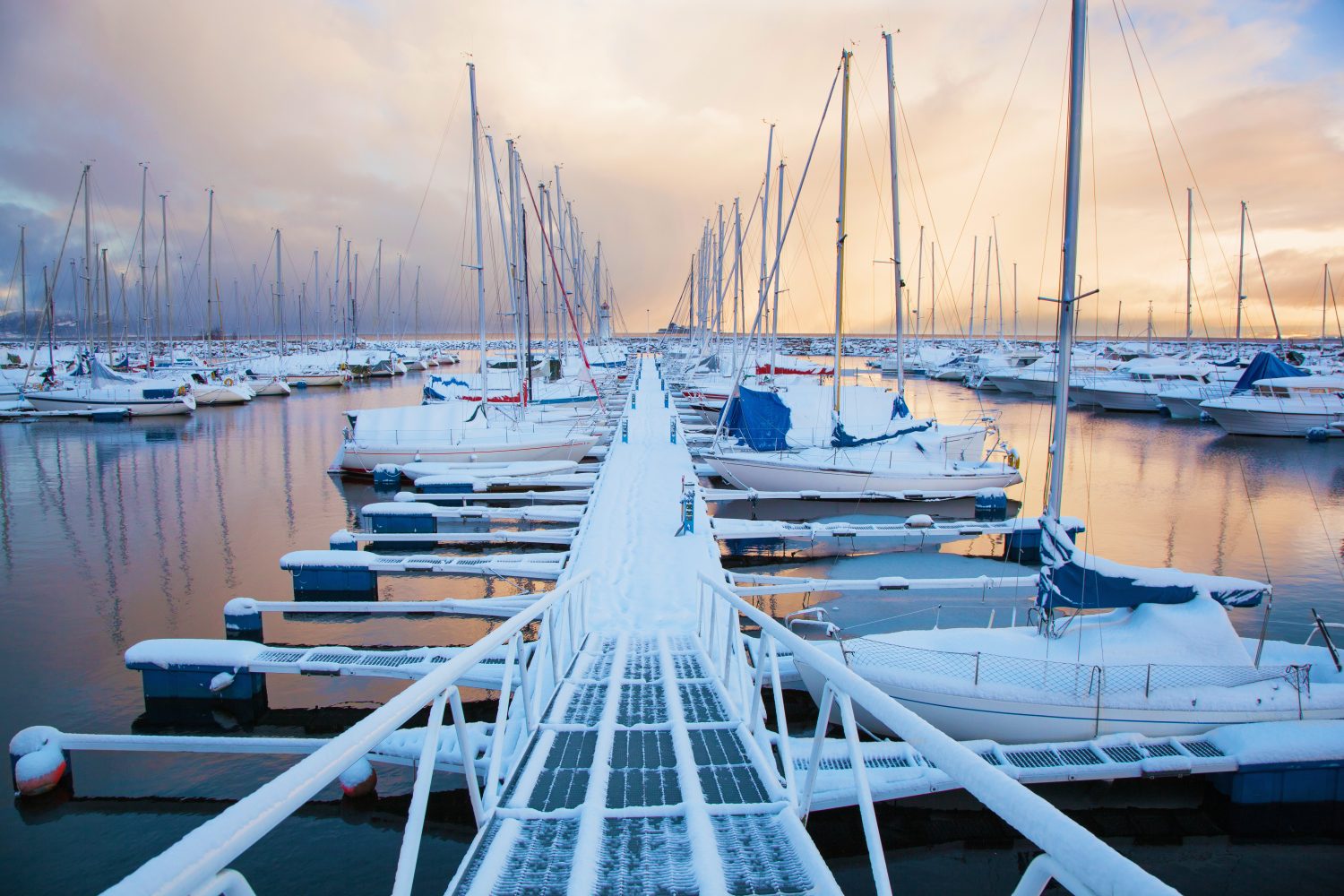
This guide covers all three, plus the cleaning, kit and clothing that make a winter afloat comfortable rather than merely survivable. Where a piece of kit genuinely earns its place, we say so and point you to it in our chandlery.
Why boats get so damp in winter
Warm air holds more water vapour than cold air. When warm, moist air meets a cold surface – a window, a metal fitting, a sink, a hull – the vapour turns back into liquid. A boat is close to the perfect setting for it: plenty of cold surfaces, very little air and a hull sitting against near-freezing water.
Most of the moisture comes from you. Breathing, cooking, showering, boiling the kettle and hanging wet clothing to dry all add vapour to the cabin air. Warmth alone is not the answer, because warm air carries more moisture. Any warmth trapped aboard brings dampness with it unless the air can move, and that is true on a heated boat and an unheated one.
The damage builds quietly:
- Electrics and connections corrode and start to misbehave
- Finishes and adhesives lift and fail
- Mould and mildew take hold, bringing that musty smell with them
- Wooden interiors begin to rot, which is the expensive one
One check before anything else. Make sure the moisture is not coming from a leak. Tired hatch seals, window seals and deck fittings can all pass for condensation. Condensation can be managed. A leak has to be fixed.
Start with ventilation
It is the cheapest fix and often the most effective. Leaving a heated boat open to the elements all winter is impractical, and expensive, and rain has a habit of finding the one gap you forgot. The answer is targeted airflow.
- Ventilate when you make moisture. Crack a hatch while cooking or showering so the vapour escapes instead of settling on the nearest cold surface.
- Keep air moving inside. Open locker doors, stand cushions on their edges and lift bunk boards and floorboards where you can. Still air always finds the coldest corner.
- Add passive ventilation. A solar vent runs on the sun alone, moves a substantial amount of air and, depending on where it is fitted, avoids heat build-up in the space it serves. It keeps working while you are at home or at work.
- Wipe down each morning. A squeegee or microfibre cloth along the windows takes two minutes and removes a surprising amount of water before it drips into places you cannot see.
Take moisture out of the cabin
Fabrics, cushions, books, rugs and spare clothing soak up moisture, so the less you leave aboard, the less damp there is to hold. Take home anything you do not use regularly. If that is not practical, vacuum storage bags are a neat answer: seal the items inside, draw out the air and the moisture goes with it, leaving everything dry and mould-free until you need it.
Keep daily essentials such as toilet roll, cloths and regularly worn clothes bagged, and take out only what you need. Fewer exposed, absorbent items means fewer places for damp to settle.
Keep mould in check
Make a daily wipe-down of the galley, heads and saloon table part of your routine. It matters for comfort and for health, as damp and mould can aggravate breathing problems.
- White vinegar is a good first move. Spray it on neat, leave it for a couple of hours, then scrub with a brush.
- Hydrogen peroxide, bicarbonate of soda and tea tree oil can each help on hard surfaces and are worth keeping in the cupboard.
- Diluted bleach works on hard surfaces but is harsh on stainless steel, fabrics and some finishes, so use it sparingly and rinse well.
- A marine mould and mildew cleaner is the ready-made option, formulated for boats.
One rule worth remembering: never mix bleach with vinegar or any other cleaner, as the combination releases toxic gas. And dry the area once you have finished, because mould cannot return without moisture.
Heating without the headaches
Ventilation fights condensation. Heat fights frost, and on a boat you need both. Water tanks, hoses and batteries will misbehave once they freeze, so some form of onboard heating is not a luxury. The hull sits in near-freezing water, which means temperatures drop fast once the warmth goes.
Fixed marine heaters. Diesel and other fuel-fired systems are the premium choice, and modern units are efficient. They must vent to the outside, older systems can give off fumes, and they should always be fitted by a qualified installer. Respected names include Eberspächer, Ecomat and Propex.
Electric heaters. Cheaper options are plentiful. Oil-filled radiators have come a long way. They are sealed, so there is no leakage risk, and many come with thermostats and timers, so you heat the boat when it matters rather than all day. They need shore power and a stable spot where they cannot topple in a swell or a wash.
Infra-red panels. A newer option. These lightweight carbon crystal panels come curved or flat and draw 200 watts at most. They warm surfaces and people directly rather than only the air, which helps with the cold surfaces that cause the problem in the first place.
Gas heaters. Free-standing gas heaters release a lot of moisture in their exhaust and have an open flame. Avoid them unless you have no alternative.
Whatever you choose, check the IP rating. IP44 or above is what you want anywhere water could reach the heater, and anything lower should sit well clear of splash zones.
Carbon monoxide: not optional. Heaters, cookers and engines that burn fuel produce carbon monoxide, which you cannot see or smell. Fit a carbon monoxide alarm certified to BS EN 50291, put it where the maker advises and test it regularly. On boats covered by the Boat Safety Scheme, at least one alarm has been mandatory since April 2019, and we would recommend one on any boat with sleeping accommodation.
Have a backup. If your main heater fails, the cabin will cool quickly, and it will happen at 2am on the coldest night of the year rather than on a quiet afternoon with the shops open. A spare or emergency heater means you are never waiting on an engineer or a chandlery opening time.
If the boat is laid up rather than lived on, the aim shifts from comfort to protection. Drain down water systems where you can, check the engine has the right antifreeze and consider a low-wattage frost heater on a thermostat. Our yards can help with winter storage and winterisation.
Choosing a dehumidifier
Dehumidifiers are brilliant at pulling moisture out of the air, but the right type depends on how warm your boat is and whether you have power.
- Compressor dehumidifiers cool a coil inside the unit. Warm, damp air condenses on it, the water drips into a reservoir and drier air is pushed back out. They are cheap to buy and run, and need little maintenance beyond emptying the reservoir. They work best in a warm boat and struggle in the cold.
- Desiccant dehumidifiers use a drying material to draw moisture from the air and cope far better in low temperatures, which makes them a sensible choice for an unheated boat. They typically use more power than a compressor model.
- Passive moisture absorbers are tubs or bags of crystals that draw water from the air. They need no power, so they suit lockers, cupboards and boats without shore power. Replace them regularly.
Many owners end up with a mix: a powered unit in the saloon and absorbers tucked into lockers. You can browse dehumidifiers and moisture absorbers in the chandlery.
Dress for it
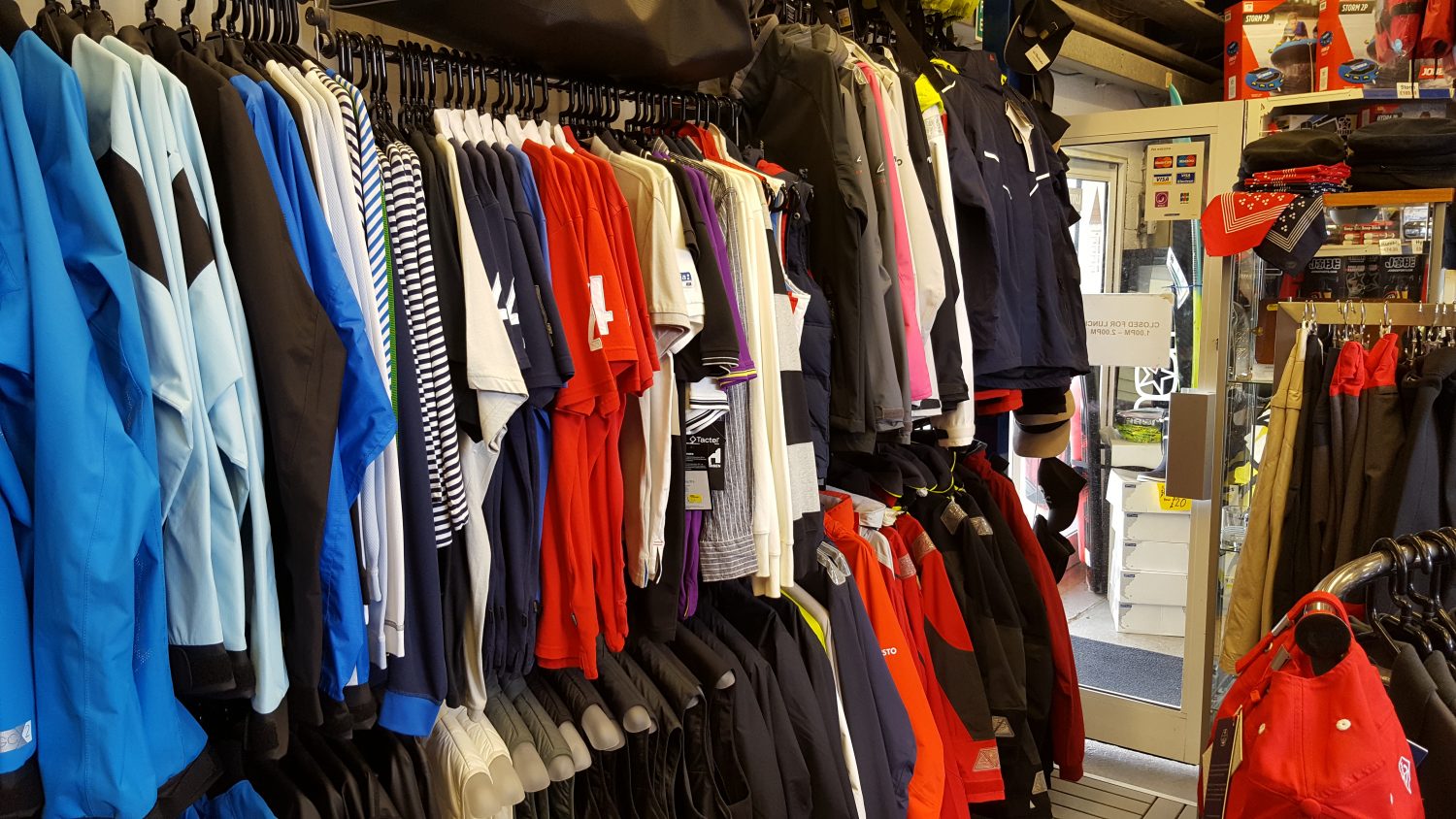
There is an old Scandinavian saying: there is no such thing as bad weather, only bad clothes. It holds true for anyone who goes afloat or outdoors in winter. A sensible sailor dresses in layers, with a warm base, an insulating middle and a windproof, waterproof outer, then protects the extremities with gloves, a hat and good socks.
In our chandlery we stock a good range of extreme weather clothing, including windproof sweaters, thermal underwear, hats, gloves and boots.
Keep your clothes dry too. Wet kit hung in a closed cabin undoes all the good work above. Dry it ashore if you can, and if that means finding a local laundrette, it is a small price for a dry bunk.
Winter boat checklist
- Hatch, window and deck fitting seals checked for leaks
- Ventilating when cooking and showering
- Air circulating: cushions on edge, locker doors open
- Spare fabrics removed or vacuum-bagged
- Windows and mould-prone areas wiped daily
- Heating sorted, plus a backup
- Carbon monoxide alarm fitted and tested
- Dehumidifier or moisture absorbers in place
- Warm, dry kit for the crew
Tackle it from three sides. Ventilate when you produce moisture and keep air moving, keep surfaces warm with steady heat, and remove moisture with a dehumidifier or absorbers. Condensation forms when warm, moist air meets cold surfaces, so cutting the moisture or warming the surfaces both help.
Partly. Warmer surfaces attract less condensation, but warm air also holds more moisture, so heat without ventilation or a dehumidifier tends to move the problem rather than solve it. Pair heating with airflow.
It depends on temperature and power. Compressor models suit a heated boat, desiccant models suit an unheated one, and passive absorbers suit lockers and boats without shore power.
Control the moisture first, then clean. Scrub visible mould from hard surfaces with white vinegar or a marine cleaner and dry the area thoroughly. If mould keeps returning to the same spot, look for a leak or a persistently cold surface behind it.
We would recommend one on any boat with sleeping accommodation and a fuel-burning heater, cooker or engine. On boats within the Boat Safety Scheme, at least one has been mandatory since April 2019. Choose an alarm certified to BS EN 50291 and test it regularly.
Need a hand choosing?
Pop in to the chandlery or get in touch. The team can talk you through ventilation, heating and dehumidifiers to suit your boat, your berth and your budget.
back to posts